Renovating a kitchen or bathroom in Sandpoint feels like a small act of civic pride. You pick finishes that suit north Idaho light, you try to retain mature trees, and you plan plumbing work to last decades. Yet plumbing is where emotion meets regulation: a poorly permitted drain or undersized water line can cost thousands, void insurance claims, and leave you with mold, water damage, or failed inspections. If you care about quality and resale value, you need a practical approach to permits and codes, plus a plumber who understands local practice. As a long-time contractor who has managed half a dozen remodels in Bonner County, I write from hands-on experience: the right permit path and a local plumber in Sandpoint save time and money.
Why you should care about permits and codes Permits are not bureaucracy for its own sake. They create documented oversight that ensures water and sewage systems protect health, property, and municipal infrastructure. A permit forces a review of pipe sizing, venting, backflow prevention, and fixture placement. That review matters when a remodel changes fixture count, relocates drains, or converts a mechanical room. Without that official stamp, you may run into problems when selling a home, filing an insurance claim, or trying to rework work done by someone else.
Permits also limit liability. An inspector’s approval is a public record that confirms the work met minimum standards. When you hire a reputable plumber company in Sandpoint, you pay a premium for that accountability: they pull the permit, coordinate inspections, and stand behind the work. I have seen homeowners save more than the cost of a permit after avoiding an expensive rework because the inspector flagged a bad vent or undersized trap. Think of permits as insurance against silent failures.
How Sandpoint and Bonner County processes typically unfold Local government divides responsibilities depending on whether you are inside city limits. If your property sits within the city of Sandpoint, contact Sandpoint’s building department. If you live outside municipal boundaries but inside Bonner County, the county building department is your point of contact. Both offices have similar aims but different workflow and fee schedules. Expect an initial plan review that takes from a few days up to a few weeks depending on workload and complexity of the project.
If you are moving a sink, adding a bathroom, or changing a water heater, the scope usually triggers a plumbing permit. Simple fixture swaps that do not alter piping sometimes qualify for a permit exemption, but that is a narrow category. When in doubt, ask the building department and get it in writing through an approved permit or a written determination. That single step prevents arguments about whether work was permitted later on.
Common scenarios, and the trade-offs you should weigh Relocating a sink across a room: Running new drain and vent lines can be expensive because you may need to open floors or ceilings and extend venting to meet slope and trap arm requirements. Trade-off: you get the layout you want, but you may spend an extra 10 to 30 percent of your remodel budget on plumbing labor and permitted changes.
Adding a bathroom: This often requires a new sewer connection, increased water demand calculations, possible larger septic sizing or sewer lateral upgrades, and a dedicated vent. Trade-off: adding a bathroom raises resale value and livability, yet it can add $8,000 to $25,000 depending on whether you need septic or sewer upgrades and whether water heater capacity must increase.
Replacing a water heater: Tank or tankless? With a tankless unit you gain efficiency and a smaller footprint, but you may need additional venting, gas line upsizing, and electrical work that triggers separate permits. Trade-off: long-term energy savings versus higher upfront costs and coordination across trades.
Installing a new line for irrigation or a hose bib: Backflow prevention and cross-connection control become central. Building departments tend to be strict about preventing irrigation water from contaminating potable supplies. Trade-off: inexpensive Plumbing in Sandpoint Idaho hardware prevents major health risks and is inexpensive compared with the potential fines or remediation.
Checklist: when you need a plumbing permit (typical triggers)
- Adding or changing the location of any plumbing fixture, including sinks, toilets, showers, tubs, and floor drains. Installing or replacing water heaters, boilers, or backflow prevention devices. New branch piping, re-routing, or significant enlargement of waste, vent, or water supply lines. Converting a space into a habitable room that requires plumbing (for example, turning storage into a bathroom). Any work connected to a septic system or sewer lateral, or changes requiring tap permits.
That list is a practical rule of thumb. Local codes might vary on exemptions, so verify with the City of Sandpoint or Bonner County before you begin. A quick call or email can save days of rework.
How codes affect materials and methods Plumbing codes are less about aesthetics and more about hydraulics and health. They govern trap depths, vent routing, pipe slope, materials permitted, and required clearances. In Sandpoint, inspectors will expect to see accepted materials such as copper, PEX, CPVC, ABS, or PVC where appropriate. Each material has implications.
PEX is flexible, fast to install, and forgiving around cold-weather expansion. It reduces labor time by up to 30 percent for many residential runs, but it requires specific fittings and a certified installer to avoid future leaks. Copper is durable and proven but costs more for materials and labor. PVC/ABS are common for drain-waste-vent systems, but installation must maintain slope—typically one quarter inch per foot for 3-inch and smaller drains. If you thread into an older system, the interface between new plastic piping and vintage cast iron or clay can create corrosion or flow problems if not handled correctly. Experienced plumbers anticipate those edges.
Sizing pipes is rarely glamorous but it is crucial. Undersized supply lines lead to poor flow and pressure drop when two fixtures run, undersized vents lead to trap siphonage and odors, and undersized drains can clog easily. Homeowners often focus on fixtures and finishes, but an informed plumber in Sandpoint will discuss fixture unit counts and the demand the new layout imposes. Properly sized systems avoid late-night headaches and preserve equipment life.
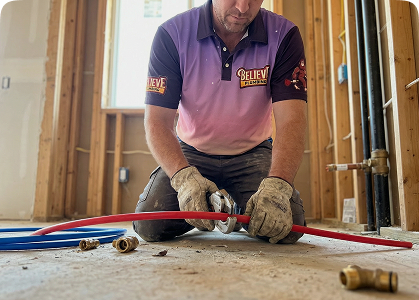
Inspections: what inspectors look for and how to avoid common failures Inspectors are not adversaries; they are gatekeepers making sure systems work and the community is safe. Still, inspections fail when contractors rush, details are overlooked, or the homeowner improvises during a project.
Common inspection failures I have seen include vents terminated too low, insufficient trap weir heights, lack of accessible cleanouts at required intervals, improper slope on a horizontal drain, and missing backflow prevention devices for irrigation or boiler systems. Sometimes a contractor will forget to cap a test port or will use the wrong temperature rating for a plastic fitting near a hot water source. These are avoidable.
Prepare for inspections like you would for a final walk-through with a client. Keep plans and permit paperwork on site, mark concealed items that will be inspected, and make sure tests are complete. A pressure test for water lines and an air or water test for drains should be performed before concealment. Expect the inspector to ask for evidence of those tests. If you work with a plumber company in Sandpoint that regularly pulls permits, they will know the common inspector preferences and how to present the job so it passes the first time.
Working with a local plumber: what to expect and what to demand When selecting a plumber in Sandpoint ID, skill is important, but reliability, clear communication, and documentation matter just as much. A professional plumber will provide a written estimate that breaks out labor, materials, permit fees, and any contingencies such as unknowns behind walls. Expect a site visit before the estimate for any job that relocates plumbing or alters load. A walk-through allows the contractor to identify challenges such as tight crawlspaces, old cast iron drains, or restricted access to the water meter.
Ask for proof of insurance and licensing. While Idaho does not license journeyman plumbers in the same way some states do, general contractors and businesses must comply with local registration and business licensing. A legitimate plumber company in Sandpoint will have liability insurance and a track record of municipal permits and inspections. Request references or project photos, and ask specifically about past work in Bonner County.
One practical negotiation that often pays off: ask the plumber for a schedule tied to permit milestones, for example, permit pulled within three business days of contract, rough-in completed within seven days of inspection availability, and final inspection scheduled within three days of rough acceptance. Concrete milestones reduce surprises and keep the project moving.
Believe Plumbing and the value of local experience Local vendors bring knowledge you cannot get from reading code tables alone. Firms like Believe Plumbing, which operate in Sandpoint and the surrounding area, know typical inspector expectations, seasonal slowdowns, and the logistics of working in older homes with unique challenges. They also understand how to coordinate with other trades common to northern Idaho remodels, such as HVAC contractors who might need to reposition ducts when a new water heater or hot water piping is installed.
I have worked with crews that saved jobs by suggesting a reroute that avoided a structural member while keeping venting within code. Those kinds of solutions come from experience and a willingness to discuss trade-offs openly: sometimes it is better to retain a slightly less ideal layout to avoid expensive structural work, and sometimes the homeowner is right to invest in the correct relocation.
Costs and timelines you can expect Costs vary widely depending on complexity. A simple fixture swap that does not require permit or new piping might run $200 to $600 in labor and materials. Installing a new bathroom typically starts near $8,000 and can exceed $30,000 if septic or sewer upgrades, new siding access, or significant structural work is required. Moving a sink across a room often falls in the $1,500 to $6,000 range depending on the need to break concrete or chase new drains through existing Learn more here framing.
Permits themselves are a small portion of the cost, usually ranging from $50 to a few hundred dollars for residential plumbing permits, but the plan review and inspection process can affect total labor costs if multiple correction cycles occur. Timeframe depends on the permit office backlog and project scope. A straightforward permit review might take a few days; complex multi-trade remodels can take several weeks for plan approval. Add to that the scheduling realities of construction: plumbers often book out two to four weeks in high season.
A brief case study A client in a 1960s Sandpoint bungalow wanted a second bathroom in a converted pantry. The project required a new 2-inch drain run, a soil stack tie-in, a water supply stub, and a vent extension. The homeowner nearly hired a cheaper contractor who promised to skip the permit. We advised them to obtain the permit, then coordinated the rough plumbing to fit the inspector’s requirements. The inspector requested a slightly different cleanout placement and a small additional slope correction. Because we performed pressure and drainage tests before concealing work, the correction was minor and inexpensive. The project added roughly $1,500 to the price for the proper permit and minor rework, but it avoided a major headache when the home sold three years later, and the buyer’s inspector noted the work as permitted and in good condition. The homeowner estimated the documentation increased the sale confidence by thousands of dollars.
Practical steps for homeowners before you start First, determine whether you are inside the City of Sandpoint limits or under Bonner County jurisdiction. Contact that building department and ask for their plumbing permit checklist. Second, assemble basic information: scope of work, fixture schedule, whether you are on septic or public sewer, and whether the project will affect the water meter or irrigation. Third, get at least two bids from contractors who pull permits routinely and ask for references from recent projects. Fourth, check schedules: if you need a fast timeline, communicate that early and ask how the contractor manages inspections and permit turnaround.
When contractors push for cash deals or ask you to sign waivers that say they are not responsible for permits, be wary. Paying a little more for a plumber who handles permits and stands behind their work is a decision that preserves both your property and your peace of mind.
Final persuasive point Plumbing touches the fundamentals: clean water, safe waste removal, and fire protection through properly installed water heaters and boilers. Because of that centrality, permits and codes are not optional if you want to protect value and health. Hire a plumber in Sandpoint who understands local expectations, who documents work properly, and who communicates trade-offs clearly. The modest cost of doing things right up front spares you the higher emotional and financial cost of rework later.
If you have a project in Sandpoint or Bonner County, start by listing the scope and contacting the local building department. Then talk to a plumber company in Sandpoint with a track record of permit work. Companies like Believe Plumbing and other established local firms can be a practical choice because they combine local relationships, technical skill, and accountability. The result is less stress during the remodel and a system that will serve the next homeowner without question.
Believe Plumbing
819 US-2, Sandpoint, ID 83864
+1 (208) 690-4948
[email protected]
Website: https://callbelieveplumbing.com/